

$34.19 Autoship


$73.14 Autoship


$34.19 Autoship


$30.39 Autoship


$57.94 Autoship


$26.59 Autoship


$33.24 Autoship


$28.49 Autoship


$28.49 Autoship


$45.12 Autoship


$55.09 Autoship

$45.12 Autoship

$132.52 Autoship


$45.12 Autoship


$55.09 Autoship


$48.44 Autoship


$59.84 Autoship

$46.54 Autoship

$46.54 Autoship

$46.54 Autoship


$39.42 Autoship


$39.42 Autoship


$1.70 Autoship


$2.46 Autoship


$37.99 Autoship


$27.54 Autoship

$25.64 Autoship


$23.74 Autoship


$82.64 Autoship


$34.19 Autoship


$26.59 Autoship
Sensitive Stomach Solutions for Pets in Canada - Real Digestive Relief for Dogs, Cats and Small Animals
Is your dog vomiting yellow bile in the morning? Does your cat have constant loose stool? Are you scared to switch foods because every change causes diarrhea, gas, or appetite loss?
Digestive upset is one of the most emotionally stressful health issues for pet parents — because it affects energy, hydration, nutrient absorption, immune health, weight, coat quality, and behaviour.
The Sensitive Stomach Solutions for Pets collection at Brindle Pet Supplies brings together gentle pet foods, probiotics, digestive enzymes, gut-calming supplements, and recovery nutrition to help:
- Settle upset stomachs
- Improve stool consistency
- Reduce vomiting and reflux
- Support gut healing
- Restore appetite
- Improve nutrient absorption
- Reduce chronic inflammation
All from vet-trusted brands, shipped fast across Canada from a Canadian-owned retailer.
Why Do So Many Pets Struggle With Digestion?
Sensitive digestion rarely has just one cause. It’s usually a layered issue, involving:
- Food intolerances (chicken, beef, dairy, grains)
- Abrupt food transitions
- Gut microbiome imbalance
- Chronic stress and anxiety
- Antibiotic history
- Pancreatic enzyme insufficiency
- Parasites or infections
- Age-related digestive decline
What happens if digestive problems go untreated? Ongoing stomach upset can progress to chronic inflammation, malnutrition, dehydration, immune weakness, skin flare-ups, anxiety, joint inflammation, poor coat quality, and behavioural changes.
Shop by What You’re Seeing at Home (Symptom-Based Digestive Support)
“My dog has constant diarrhea - but tests are normal. What gives?”
Chronic loose stool with normal labs is often caused by:
- Food sensitivities
- Dysbiosis (imbalanced gut bacteria)
- Stress-related colitis
- Incomplete digestion
These dogs often respond best to:
- Limited-ingredient diets
- Probiotics + digestive enzymes
- Slow, structured food transitions
“Why does my dog throw up yellow bile in the morning?”
This is commonly linked to:
- Empty stomach acid buildup
- Feeding gaps that are too long
- Acid reflux
- Pancreatic enzyme imbalance
Smaller, more frequent meals plus digestive enzymes and gut buffers often help.
“My cat eats but keeps losing weight — is that digestion?”
Weight loss with a normal appetite often points to:
- Poor nutrient absorption
- Intestinal inflammation
- Hyper-reactive gut lining
Targeted gut-soothing foods and probiotics are often part of long-term support.
“My pet has awful gas — is that diet or infection?”
Gas is often caused by:
- Fermentation of poorly digested food
- Sudden diet changes
- High-fiber misalignment
- Dysbiosis
Digestive enzymes from NaturVet, No Toot solutions and food simplification usually make the biggest difference.
“My puppy has soft stool no matter what I feed”
Puppies have:
- Immature digestive systems
- Rapid gut changes
- High stress sensitivity
This often improves with:
- Gentle starter proteins
- Probiotics designed for young dogs
- Avoidance of constant food switching
“My senior dog used to digest everything — now nothing agrees”
Aging affects:
- Stomach acid production
- Enzyme output
- Microbiome diversity
Senior pets often need:
- Easier-to-digest proteins
- Enzyme support
- Higher moisture foods
What Actually Helps Sensitive Stomachs Calm Down?
Gentle, Limited-Ingredient Nutrition
Sensitive stomach diets typically avoid:
- Multiple proteins in one formula
- Heavy synthetic additives
- High fat loads
- Unnecessary fillers
They emphasize:
- Single or novel proteins
- Moderate fat
- Highly digestible carbohydrates
- Limited ingredient lists
This reduces immune reactivity in the gut and allows healing.
Probiotics – Rebuilding the Gut Microbiome
Why do vets reach for probiotics first? Because 70–80% of immune regulation starts in the gut. Some of the best probiotics on the market come from Vet's Best, NaturVet and Purina ProPlan.
Probiotics:
- Improve stool consistency
- Reduce gas and bloating
- Support immune tolerance
- Help after antibiotics
- Reduce stress-related gut flare-ups
They are most effective when used daily for several weeks, not just during flare-ups.
Digestive Enzymes – When Food Isn’t Being Broken Down
Enzymes help when:
- Pets eat but lose weight
- Stool is bulky or greasy
- There is frequent vomiting after meals
- There is pancreatic insufficiency or age-related decline
They assist with:
- Protein digestion
- Fat breakdown
- Carbohydrate absorption
Gut-Soothing & Recovery Nutrition
When digestion is fragile, extra support may include:
- Appetite support formulas
- Electrolyte solutions
- Recovery nutrition
- Post-illness or post-surgery gut support
This is especially important for:
- Kittens
- Puppies
- Underweight pets
- Seniors
- Post-antibiotic pets
Age, Breed and Species Digestive Sensitivity
Puppies & Kittens
- Immature enzyme systems
- High sensitivity to sudden food changes
- Stress-responsive digestion
Adult Dogs & Cats
- Food intolerances often appear between 2–6 years
- Environmental allergies often show as both itch and stomach upset
Senior Pets
- Slower digestion
- Reduced enzyme output
- Higher risk of inflammatory bowel conditions
Breed Trends
- German Shepherds, French Bulldogs, Boxers, Yorkies and Shih Tzus commonly show digestive sensitivity
- Bengals, Siamese and Ragdoll cats also show higher gastrointestinal sensitivity
Small Animals
-
Guinea pigs, rabbits and hamsters rely on very precise digestive balance, making Oxbow-style nutritional support critical when stools soften or appetite dips.
The Hidden Chain: Gut → Skin → Joints → Teeth → Anxiety
Digestive health drives:
- Skin health (itch, hot spots, over-grooming)
- Joint inflammation
- Dental disease
- Immune regulation
- Stress behaviour
- Chewing habits
This is why Brindle’s ecosystem intentionally connects:
- Sensitive stomach solutions
- Itch remedies
- Joint care
- Dental care
- Natural dog chews
When digestion stabilizes:
- Inflammation drops
- Skin clears
- Mobility improves
- Anxiety reduces
- Healthy chewing behaviour increases
Safety, Dosage & How Long Digestive Support Takes to Work
- Probiotics: 7–14 days for early stool change, 4–6 weeks for full gut balance
- Enzymes: Often help within days to one week
- Sensitive diets: 2–4 weeks for immune calming
- Recovery nutrition: Immediate energy and hydration support
Always:
- Transition foods slowly over 7–10 days
- Dose supplements by weight
- Avoid stacking multiple gut products without guidance
- Monitor stool, appetite, water intake and energy
When Digestive Upset Needs a Vet First
Always seek veterinary guidance if you see:
- Blood in stool
- Black, tarry stool
- Severe dehydration
- Repeated projectile vomiting
- Sudden weight loss
- Lethargy lasting more than 24–48 hours
- Suspected toxin ingestion
Digestive supplements support — they do not replace diagnosis.
Why Canadian Pet Parents Choose Brindle for Sensitive Stomachs
- Canadian-owned & operated
- Fast shipping across Canada
- Specialized digestion-support collection
- Trusted food & supplement brands
- Support for dogs, cats and small animals
- Holistic digestive strategy (food + probiotics + enzymes + recovery)
Related Collections for Digestive-Sensitive Pets
- Itch Remedies for Pets
- Joint Care Products for Dogs
- Omega Oils & Skin Support
- Dog Dental Care
- Natural Dog Chews
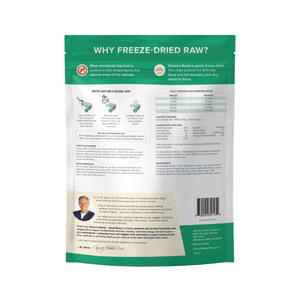
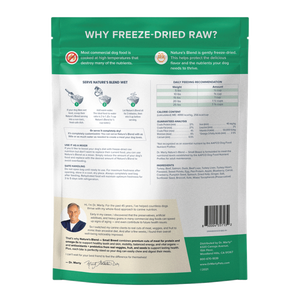
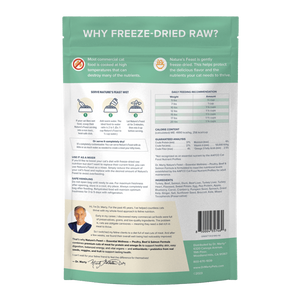
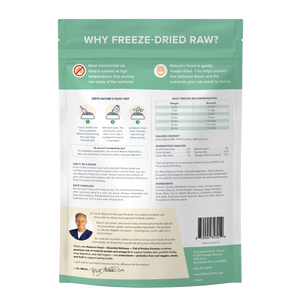
- Freeze-Dried Dog Food (Dr. Marty, Badlands Ranch, Smack)
Together, these collections address the gut–skin–joint–stress loop behind many chronic conditions.
Sensitive Stomach Solutions for Pets – Calm the Gut, Calm the Whole Body
Digestive issues affect how your pet eats, sleeps, plays, heals and connects with your family. You don’t have to keep guessing.
The Sensitive Stomach Solutions for Pets collection at Brindle Pet Supplies exists to help you stabilize digestion gently, safely and effectively — from puppies to seniors, from dogs to cats to small animals.
👉 Shop Sensitive Stomach Solutions Now
Top 10 Real-World FAQs – Sensitive Stomach Solutions for Pets (Canada)
1. Why does my dog have constant diarrhea but normal test results?
This is often caused by food sensitivities, stress colitis, or imbalanced gut bacteria rather than disease.
2. Why does my dog vomit yellow bile in the morning?
This usually points to acid buildup on an empty stomach or enzyme imbalance. Smaller, more frequent meals and digestive support often help.
3. Can food really cause chronic stomach problems?
Yes. Chicken, beef, dairy and grains are common triggers for long-term digestive inflammation in pets.
4. Do probiotics actually help pets with sensitive stomachs?
Yes. Probiotics rebuild gut bacteria, improve stool consistency, reduce gas and strengthen immune tolerance.
5. How long does it take for probiotics to work?
Early changes often appear within 1–2 weeks, with full gut stabilization by 4–6 weeks.
6. Should I switch to a sensitive stomach pet food?
If digestive upset is persistent, limited-ingredient or easily digestible foods are often recommended.
7. Can anxiety cause digestive problems?
Yes. The gut and nervous system are directly linked. Stress often triggers diarrhea, vomiting and appetite loss.
8. Is it safe to use digestive enzymes long-term?
Yes, when properly dosed. Many pets benefit from daily enzyme support for months or years.
9. When should I take my pet to the vet for stomach issues?
If there is blood, dehydration, severe lethargy, sudden weight loss or ongoing vomiting, a vet visit is essential.
10. Where can I buy sensitive stomach solutions for pets in Canada?
You can shop gentle pet foods, probiotics, enzymes and recovery nutrition at Brindle Pet Supplies with fast Canada-wide shipping.